
Diabetes Treatment
Exploring Emerging Approaches in Diabetes Care & Regenerative Medicine
Diabetes is a complex condition that affects how the body produces or uses insulin and manages blood glucose. While established treatments remain central to diabetes management, researchers are also exploring new approaches aimed at understanding the underlying biology of the disease and supporting insulin-producing cells.
Regenerative medicine is one of the areas attracting significant scientific interest, particularly research involving pancreatic beta cells, islet cells, cellular replacement and other approaches designed to address aspects of insulin production and glucose regulation.
Why Diabetes Treatment Matters
Diabetes affects blood glucose regulation by impairing insulin production, insulin action, or both. Over time, it can impact multiple organs, making effective medical management and ongoing monitoring essential.
Treatment involves managing glucose, reducing complication risks, and tailoring care to individual needs. Meanwhile, regenerative medicine research explores whether insulin-producing cells can be replaced, protected, or regenerated.
While not a replacement for standard care, cell-based research is an evolving area that may shape future treatment options.
At a Glance
How it works
How Regenerative Medicine Is Being Studied for Diabetes
Regenerative medicine research in diabetes focuses on understanding whether cells, tissues or biological signals can be used to address some of the underlying mechanisms involved in the disease.Regenerative medicine research in diabetes focuses on understanding whether cells, tissues or biological signals can be used to address some of the underlying mechanisms involved in the disease.
Rather than simply managing blood glucose, researchers are investigating approaches that may influence insulin production, cell survival, immune activity and pancreatic function.
The exact mechanism depends on the therapy being studied.
01
Supporting Insulin-Producing Cells
Researchers are investigating ways to replace or restore insulin-producing beta cells, particularly in type 1 diabetes where these cells are destroyed by the immune system.
02
Exploring Cell Replacement
Stem cell-derived islet cells and other cellular approaches are being studied as potential ways of providing new insulin-producing cells.
03
Protecting Cellular Function
Researchers are also studying how insulin-producing cells can survive and function effectively after transplantation or cellular replacement.
05
Exploring Beta-Cell Regeneration
Another area of research focuses on whether the body may be encouraged to generate or restore insulin-producing beta cells.
04
Investigating Immune Responses
Type 1 diabetes involves an autoimmune response in which the immune system attacks insulin-producing beta cells.
06
Advancing Diabetes Research
Diabetes regenerative medicine remains an evolving field.
Visual flow
Medical Assessment
Assess your diabetes history, current care, and health needs.
Specialist Review
Medical records are reviewed to determine if cellular options suit you.
Personalised Clinical Approach
If appropriate, a qualified provider can discuss treatment options, evidence, and suitability.
Who May Consider Diabetes Treatment?
Diabetes treatment is highly individual.
The appropriate approach depends on factors including the type of diabetes, duration of the condition,
current treatment, blood glucose control, complications, general health and medical history.
People who may be interested in learning more about emerging diabetes research include:
Individuals commonly exploring stem cell therapy include
People Living With Type 1 Diabetes
People with type 1 diabetes may be interested in emerging research focused on insulin-producing cells, islet replacement, stem cell-derived cellular therapies and approaches to immune regulation.
People Living With Type 2 Diabetes
People with type 2 diabetes may explore information about regenerative medicine research alongside established approaches to glucose management, lifestyle modification and medical treatment.
Individuals Interested in Cellular Diabetes Research
Some people may wish to understand the latest developments in stem cell-derived islet cells, beta-cell regeneration and other cellular approaches being investigated for diabetes.
Is Regenerative Diabetes Treatment Right for You?
Choosing any emerging medical treatment begins with understanding your individual circumstances.
If you're interested in learning more about diabetes research, cellular therapies or regenerative medicine, our team can help you understand the available information and coordinate the appropriate medical discussion.
The Journey of Diabetes Research
From Understanding Insulin to Exploring Cellular Therapies
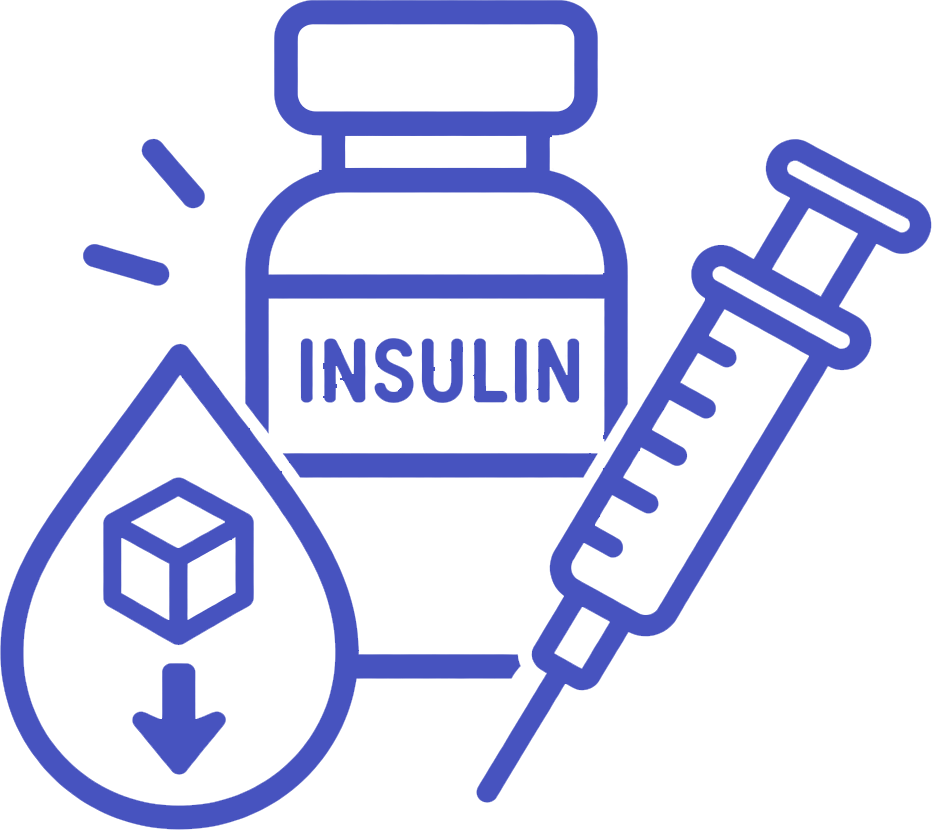
Understanding Insulin
Discovering insulin revolutionized diabetes care by showing its key role in regulating blood glucose.
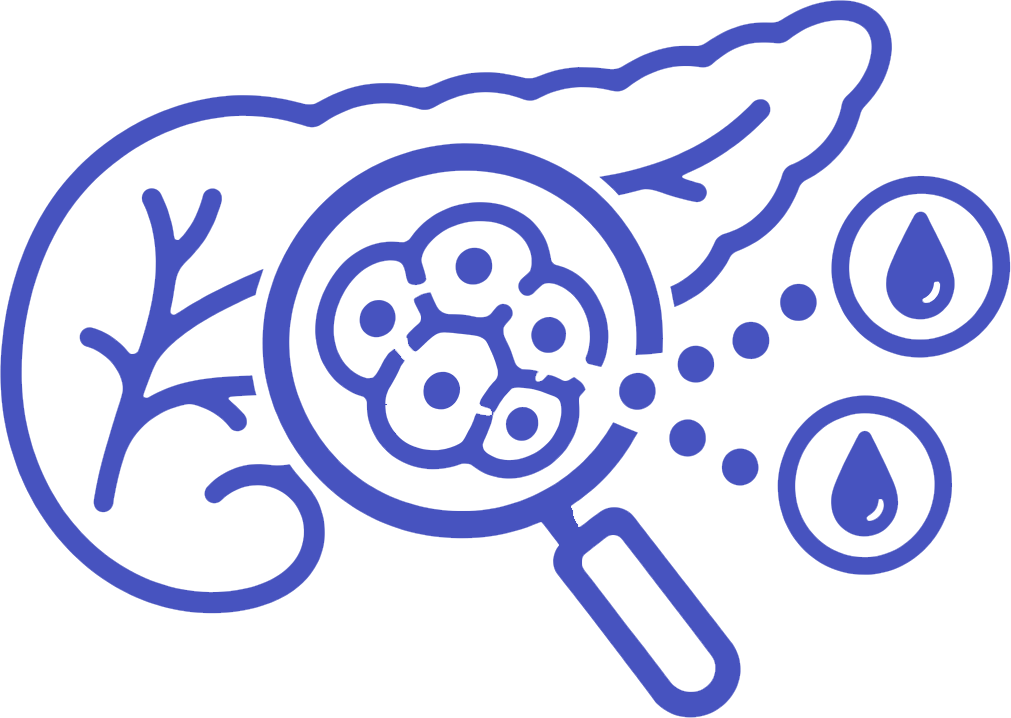
Understanding Beta Cells
Research clarified how pancreatic beta cells produce insulin and maintain glucose balance.
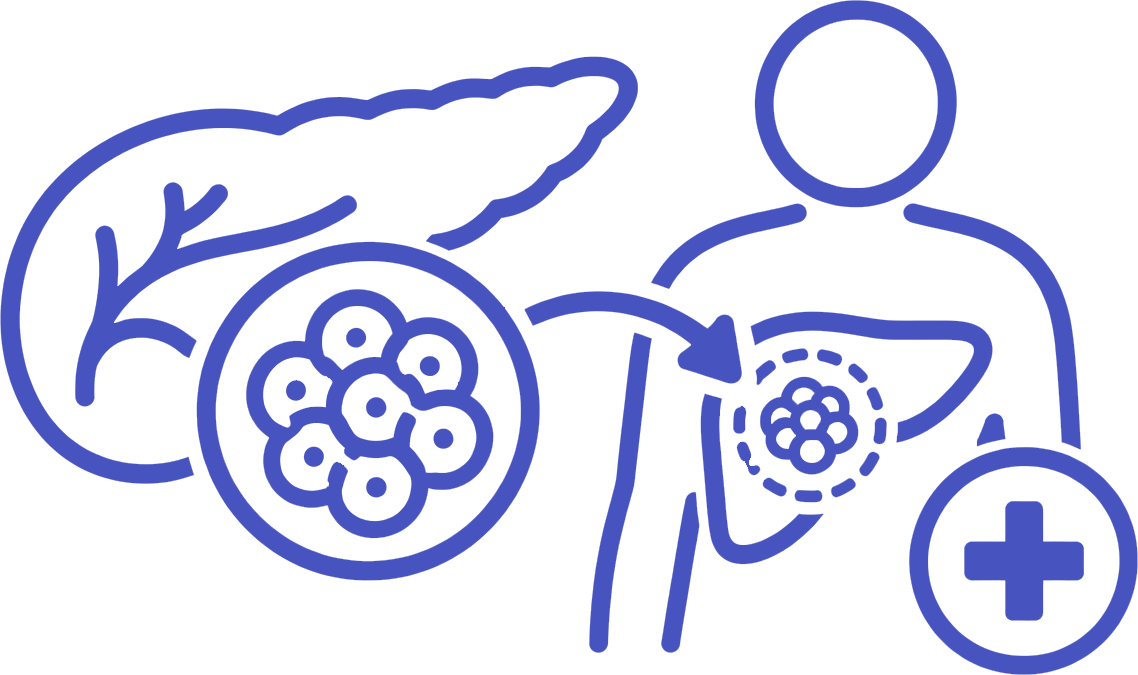
Exploring Islet Replacement
Scientists began exploring whether islet transplantation could replace insulin-producing cells.
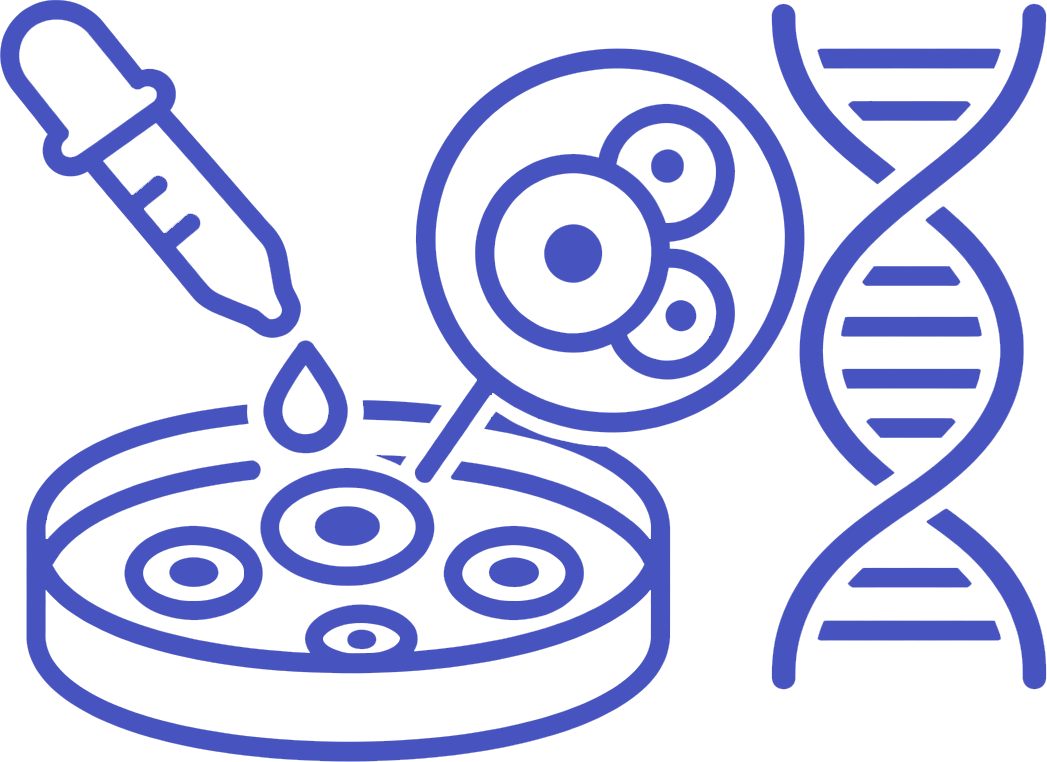
Stem Cell Research
Stem cell biology enabled investigations into generating insulin-producing cells from stem cells.
Ready to Learn More?
Diabetes research continues to evolve, with scientists investigating new ways of understanding insulin production, pancreatic function and cellular replacement.
If you'd like to understand more about diabetes treatment research, regenerative medicine or emerging cellular approaches, our team is here to help you explore the available information and connect with appropriate medical professionals.
Hear From the Experts Advancing Diabetes Research
Explore the conversations, research and clinical perspectives shaping today's understanding of diabetes and regenerative medicine.

Professor Interviews
Hear leading scientists, diabetes researchers, endocrinologists and university researchers discuss published studies, emerging discoveries and the evolving scientific understanding of diabetes, beta-cell biology and cellular therapies.

Documentaries
Explore documentary content examining the history of diabetes research, advances in insulin and cellular science, emerging regenerative approaches and the people contributing to the field.

Medical Podcasts
Listen to conversations with physicians, endocrinologists, researchers and healthcare professionals discussing diabetes management, current evidence, cellular research and future directions in diabetes treatment.

Patient Perspectives
These experiences can provide valuable context, while recognising that every person's medical journey is unique and personal experiences should never be viewed as a substitute for scientific evidence or professional medical advice.

Clinical Discussions
Explore expert conversations examining diabetes research, cellular therapies, patient assessment, safety considerations and the ongoing challenges researchers continue to investigate.
Continue the Conversation
Understanding diabetes treatment is the first step towards making informed healthcare decisions.
Whether you're seeking reliable information about established diabetes treatment, want to understand current regenerative medicine research or have questions about emerging cellular approaches, our team is here to support your learning journey.