

Spinal Cord Injury
Understanding Spinal Cord Injury & Emerging Regenerative Approaches
A spinal cord injury damages the nerve pathways that carry signals between the brain and the body. Depending on the level and severity of the injury, it can affect movement, sensation, bladder and bowel control, breathing and other bodily functions.
Alongside emergency care, surgery and rehabilitation, researchers are investigating whether cell-based therapies can protect surviving nerve tissue, reduce inflammation and support repair. Early results have shown encouraging safety signals, but reproducible functional recovery has not yet been proven.
Why Spinal Cord Injury Treatment Matters
Spinal cord injuries often happen suddenly and can change a person's independence, work and relationships overnight. The effects are lifelong for many people and their families.
Current care focuses on stabilising the spine, preventing further damage and maximising function through intensive rehabilitation. The spinal cord has a very limited natural ability to repair itself.
This has made spinal cord injury one of the most closely watched areas of regenerative medicine, with researchers exploring whether cells can help rebuild or protect damaged nerve connections.
Understanding Spinal Cord Injury & Regenerative Medicine
After the initial injury, a second wave of damage follows. Inflammation, loss of blood supply and scar formation can harm nerve cells and the insulating myelin around them.
Regenerative medicine research is investigating several approaches. These include mesenchymal stem cells (MSCs) to modulate inflammation, and neural cells grown from stem cells to replace lost cells or rebuild myelin.
Japan has granted conditional approval to an MSC product for spinal cord injury, and trials using cells derived from induced pluripotent stem cells (iPSCs) have reported early safety findings. Meaningful, reproducible functional recovery remains unproven.
At a Glance
How it works
How Regenerative Medicine Is Being Studied for Spinal Cord Injury
Researchers are investigating whether cells delivered to or near the injured spinal cord can limit secondary damage and support the repair of nerve pathways.
Clinical studies assess safety first, then changes in movement, sensation and independence over time.
01
Limiting Secondary Damage
MSCs are being studied for their ability to calm the inflammation that follows the initial injury and causes further harm to nerve tissue.
02
Protecting Surviving Nerve Cells
Researchers are examining whether cell-based approaches can help preserve nerve cells and pathways that survive the injury.
03
Rebuilding Myelin
Some trials use stem cell-derived cells that can form the insulating myelin needed for nerve signals to travel efficiently.
05
Measuring Functional Change
Studies assess motor function, sensation and daily independence to determine whether any change is meaningful and lasting.
04
Replacing Lost Neural Cells
Cells derived from iPSCs are being investigated as a potential source of new neural cells for the injured spinal cord.
06
Building Clinical Evidence
Larger controlled trials are needed to confirm safety, the best timing after injury and which patients may benefit.
Visual flow

Spinal Cord Injury
Damage to nerve pathways and myelin

Specialist Assessment
Review of injury level, imaging and history

Personalised Approach
Evidence-led discussion alongside rehabilitation
Who May Consider Spinal Cord Injury Treatment?
Every spinal cord injury is different. Treatment decisions depend on the level and completeness of the injury, the time since injury, overall health and current rehabilitation.
People who may seek specialist information about spinal cord injury and emerging regenerative approaches include:
People Living With Spinal Cord Injury
Individuals with a confirmed injury who want to understand current care and emerging research options.
Families & Carers Exploring Options
Relatives who want reliable information about what research has shown and what remains uncertain.
Individuals Following Cell Therapy Research
People interested in MSC and iPSC-derived approaches and how they are progressing through clinical trials.
Is Regenerative Treatment Right for You?
A specialist medical evaluation should always come before considering any emerging or investigational therapy.
The Journey of Spinal Cord Injury Research
From Understanding Nerve Damage to Cell-Based Repair
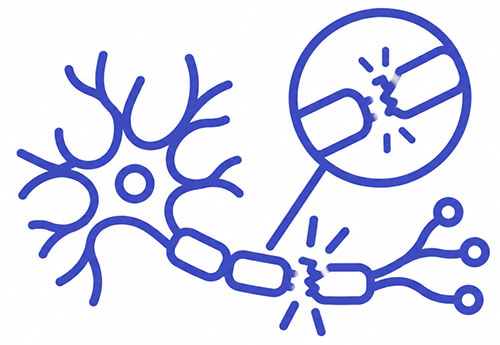
Understanding Nerve Injury
Research showed why the spinal cord has limited ability to repair itself after injury.
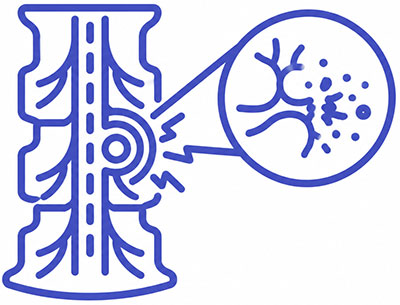
Understanding Secondary Damage
Scientists identified the inflammation and scarring that continue to harm tissue after the initial injury.

First Cell Therapy Trials
Early human trials tested whether stem cell-derived cells could be delivered safely to the injured spinal cord.
Conditional Approvals & iPSC Research
Japan granted conditional approval to an MSC product, while iPSC-derived cell trials began reporting early safety data.
Ready to Learn More?
Spinal cord injury research is advancing, but early safety findings do not yet mean reliable functional recovery. Understanding the evidence can help you make informed decisions about care.
Hear From the People Advancing Spinal Cord Injury Research

Professor Interviews
Insights from neuroscientists studying how the spinal cord responds to injury and how stem cells may support repair.

Documentaries
Explore research testing stem cell-derived cells to repair nerve damage in the injured spinal cord.

Medical Podcasts
Hear researchers present clinical trial progress to California's state stem cell agency.

Patient Perspectives
Hear from a participant in one of the first stem cell-based clinical trials for spinal cord injury.

Clinical Discussions
Learn how researchers are developing engineered cell approaches for spinal cord injury before birth.
Continue the Conversation
Spinal cord injury research is progressing, but not every experimental approach is ready for routine clinical use. Understanding the evidence, safety considerations and regulatory status of a treatment is an important part of making an informed decision.