

Alzheimer's Disease
Understanding Alzheimer's Disease & Emerging Regenerative Approaches
Alzheimer's disease is a progressive neurological condition and the most common cause of dementia. It gradually affects memory, thinking, language and the ability to carry out everyday tasks.
Alongside established care and newer approved medicines, researchers are investigating whether stem cell-based approaches could influence inflammation and brain cell health in Alzheimer's. Evidence for cell therapy remains early and preliminary.
Why Alzheimer's Disease Treatment Matters
Alzheimer's disease affects tens of millions of people worldwide, and numbers are rising as populations age. It has a profound impact on individuals, families and carers.
Current treatments can help manage symptoms, and antibody treatments targeting amyloid have been approved in some countries for early-stage disease. None stops or reverses the condition.
This has led researchers to explore many new directions, including regenerative approaches that aim to protect brain cells and reduce harmful inflammation.
Understanding Alzheimer's Disease & Regenerative Medicine
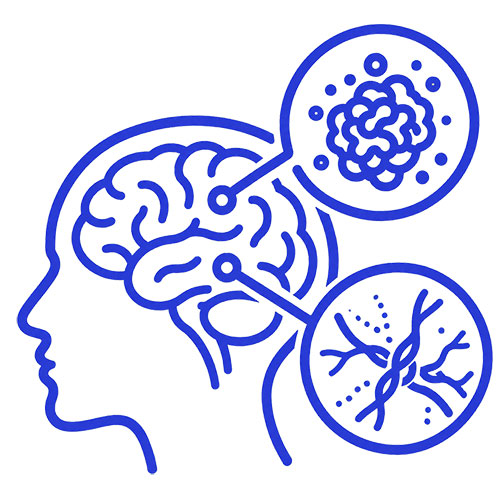
Alzheimer's disease is associated with the build-up of amyloid plaques and tau tangles in the brain, along with chronic inflammation and the gradual loss of nerve cells and their connections.
Stem cells play two roles in Alzheimer's research. Scientists use stem cell-derived brain cells in the laboratory to study how the disease develops, and small clinical studies are exploring whether cells such as MSCs can reduce brain inflammation.
These clinical studies are early-stage and focus mainly on safety. Evidence that cell therapy slows or improves Alzheimer's disease has not been established.
At a Glance
How it works
How Regenerative Medicine Is Being Studied for Alzheimer's Disease
Researchers are investigating whether stem cell-based approaches can create a healthier environment for brain cells, rather than replacing the many cells lost across the brain.
Early clinical studies assess safety, memory and thinking scores, and biological markers over months.
01
Modelling the Disease
Scientists grow brain cells from stem cells to study how Alzheimer's develops and to test potential medicines.
02
Reducing Brain Inflammation
MSCs are being studied for their ability to calm the chronic inflammation associated with Alzheimer's.
03
Supporting Nerve Cell Health
Researchers are examining whether regenerative approaches can help protect nerve cells and their connections.
05
Measuring Cognitive Change
Clinical studies assess memory, thinking and daily function to determine whether any change is meaningful.
04
Investigating Amyloid & Tau
Laboratory studies are exploring whether cell-derived signals influence the proteins linked to Alzheimer's.
06
Building Clinical Evidence
Larger, longer and well-controlled trials are needed before any cell therapy can be considered established.
Visual flow

Alzheimer's Disease
Amyloid, tau and inflammation affect brain cells

Specialist Assessment
Review of diagnosis, stage and current care

Personalised Approach
Evidence-led discussion alongside established treatment
Who May Consider Alzheimer's Disease Treatment?
Alzheimer's disease progresses differently in each person. Treatment decisions depend on diagnosis, stage, other health conditions and current treatment.
People who may seek specialist information about Alzheimer's disease and emerging regenerative approaches include:
People With a Confirmed Diagnosis
Individuals diagnosed with Alzheimer's who want to understand current and emerging treatment options.
Families & Carers
Relatives supporting a loved one who want reliable information on what research has shown.
Individuals Interested in Dementia Research
People who want to understand how stem cells are being used to study and potentially treat Alzheimer's.
Is Regenerative Treatment Right for You?
A specialist medical evaluation should always come before considering any emerging or investigational therapy.
The Journey of Alzheimer's Research
From First Description to Cellular Research

First Description
In 1906, Dr Alois Alzheimer described the plaques and tangles now linked to the disease.
Understanding Amyloid & Tau
Scientists identified the proteins that build up in the brain and their role in nerve cell damage.

Disease-Modifying Medicines
Antibody treatments targeting amyloid were approved in some countries for early-stage disease.

Stem Cell Research
Stem cells became key tools for modelling Alzheimer's, and early cell therapy studies began.
Ready to Learn More?
Alzheimer's research continues to evolve, with scientists exploring new approaches alongside established care. Understanding the difference between proven treatments and early research can help families make informed decisions.
Hear From the People Advancing Alzheimer's Research

Professor Interviews
Hear a leading dementia researcher explain how stem cells are being used to study Alzheimer's.




Continue the Conversation
Alzheimer's research is progressing, but cell therapy is not yet an established treatment. Understanding the evidence, safety considerations and regulatory status of a treatment is an important part of making an informed decision.