
Science, Research & Perspectives
Understanding Ibogaine
Ibogaine has attracted growing scientific interest for its unique interaction with the brain and nervous system. Researchers continue to investigate its potential, while clinicians and regulators around the world debate its role, safety and future applications.
This page brings together research, expert perspectives and published discussions to help readers better understand the current landscape.
Why this Matters
Why So Many People Are Talking About Ibogaine
Few naturally occurring compounds have generated as much curiosity and as much debate as ibogaine.
Over the past two decades, universities, neuroscientists, addiction specialists and independent researchers have published an increasing body of work exploring how ibogaine interacts with the brain. Alongside scientific interest, thousands of personal stories have appeared online, creating both valuable insights and significant misinformation.
Understanding ibogaine requires looking beyond headlines. It means examining the research, recognising its limitations and considering a wide range of expert perspectives.
Founder's Story
The Journey Behind This Collection
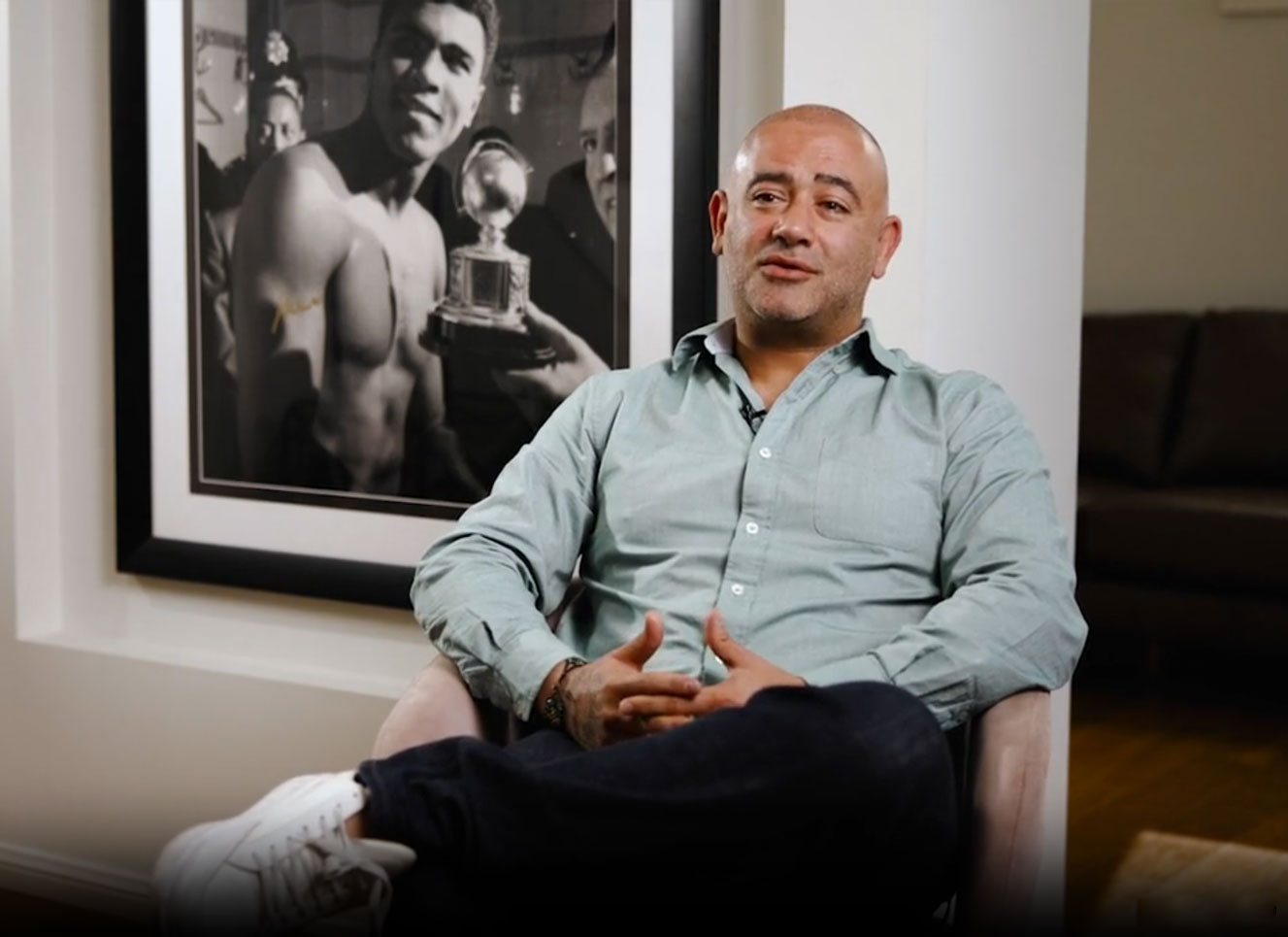
For our founder, Bobby, ibogaine was not first encountered in a scientific paper; it was a personal experience.
That experience raised questions that couldn't be answered through a single article or opinion. It led to months of reading published studies, listening to researchers, watching medical conferences and exploring different viewpoints from around the world.
One thing became clear: reliable information was difficult to find in one place.
This collection was created to make that journey easier for others by bringing together respected voices, published research and thoughtful discussion in a single resource that encourages curiosity rather than conclusions.
The Basics
What Is Ibogaine?
Ibogaine is a naturally occurring alkaloid found in the root bark of Tabernanthe iboga, a shrub native to Central Africa. For centuries, the plant has been used within traditional Bwiti practices, where it holds cultural and spiritual significance.
Modern scientific interest began much later, when researchers started investigating ibogaine's complex interaction with neurotransmitter systems and its possible influence on neuroplasticity, addiction and brain function.
Although research continues to expand, many important questions remain unanswered. As a result, ibogaine continues to be studied, debated and regulated differently across the world.
At a Glance
Research Timeline
How Understanding Has Evolved
01
Traditional Knowledge
Long before modern laboratories, iboga was recognised within Central African traditions for its ceremonial and cultural importance.
02
Scientific Discovery
Researchers began investigating ibogaine's chemistry and how it interacts with the human brain and nervous system.
03
Clinical Discussions
Universities and healthcare researchers explored possible applications while also documenting safety considerations and unanswered questions.
04
Global Conversation
Medical conferences, documentaries, podcasts and academic publications expanded public awareness and scientific discussion.
05
Continuing Research
Today's research continues to build on earlier discoveries, with new studies helping shape future understanding of ibogaine and its place within neuroscience.
Insights From Real Experiences
Hear From the People Advancing the Research
Explore the conversations shaping today's understanding of ibogaine.
Professor Interviews
Hear leading scientists, neuroscientists and university researchers discuss published studies, emerging discoveries and the evolving scientific understanding of ibogaine.
Documentaries
Explore documentary films that examine the history of ibogaine, its traditional origins, the science behind current research and the stories that have shaped public awareness.
Medical Podcasts
Listen to conversations with physicians, researchers and healthcare professionals as they discuss clinical observations, current evidence, patient safety and future directions for research.
Patient Perspectives
Discover personal stories shared by individuals from around the world. These experiences offer valuable context while recognising that every person's journey is unique and should never be viewed as a substitute for scientific evidence or professional medical advice.
Clinical Discussions
Explore expert conversations examining clinical research, treatment protocols, patient assessment, safety considerations and the ongoing challenges researchers continue to investigate.